
Transportation

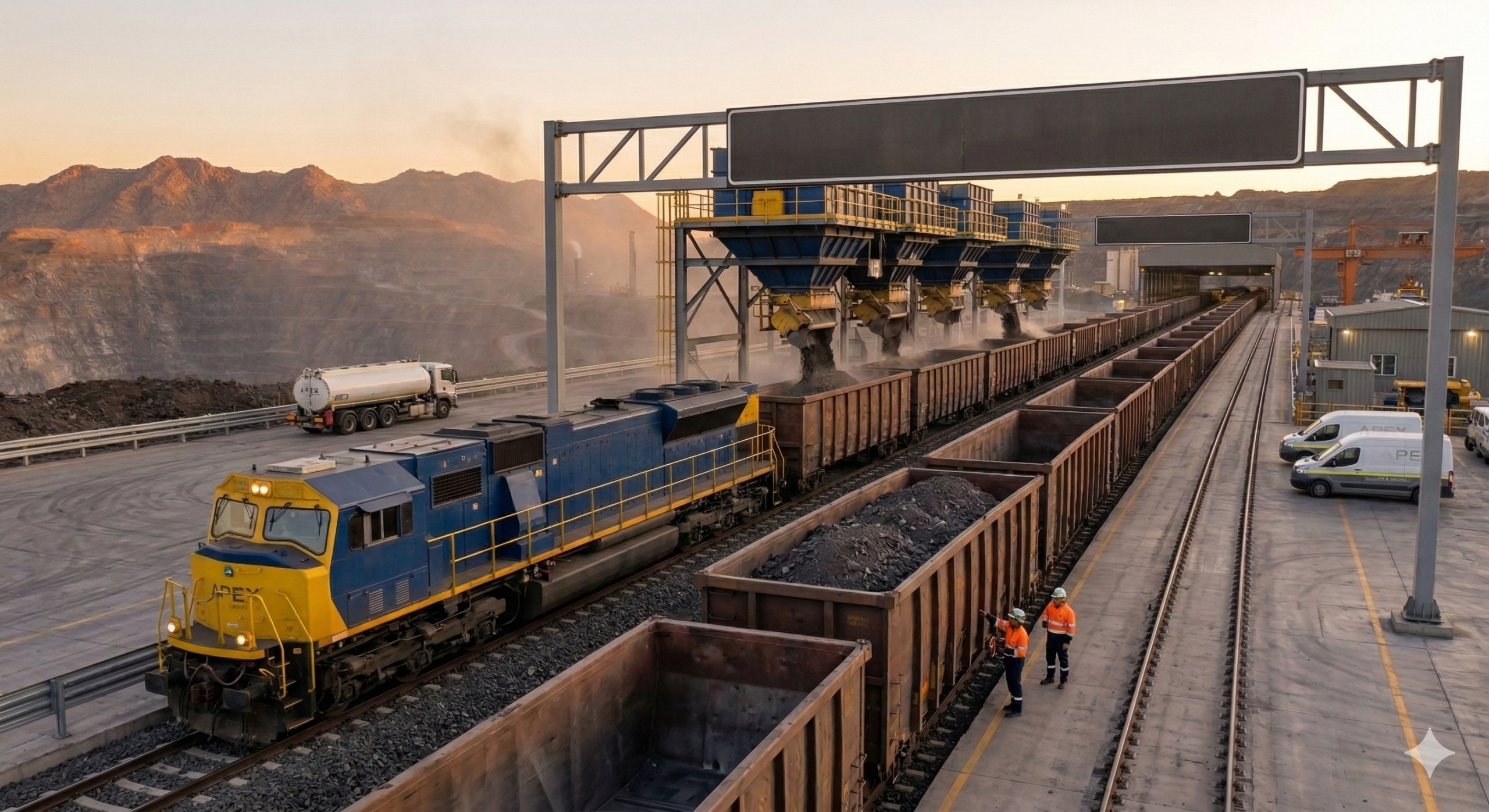
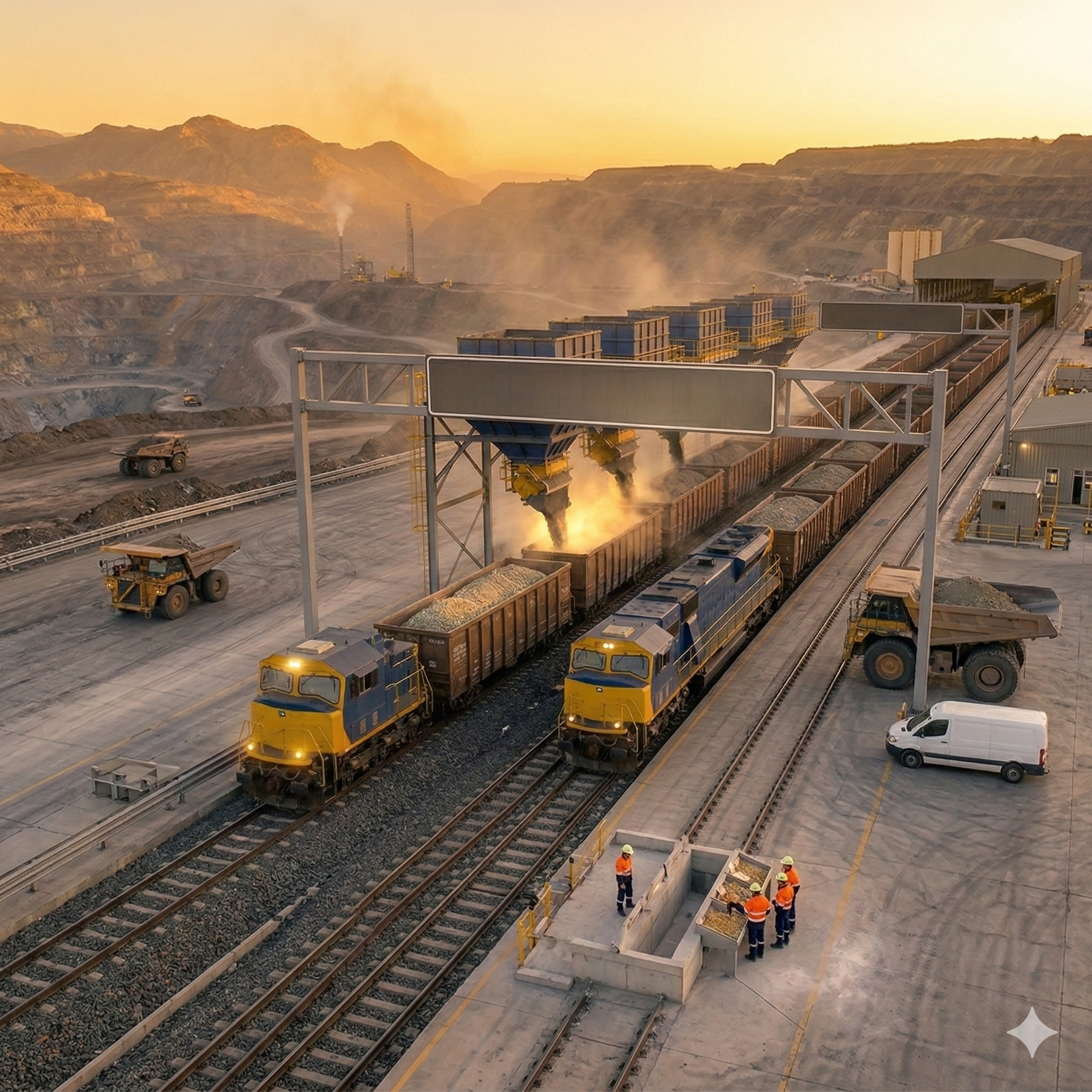
Efficient, reliable transportation is the backbone of any productive gold mining operation. At Eldoreydo Mining, we manage the full spectrum of mine site logistics — from in-pit ore haulage and waste movement to the safe transport of refined doré from the processing plant to secure storage and onward delivery. Every link in our logistics chain is planned, monitored, and optimised to keep material moving safely and cost-effectively.

Our open-pit haulage fleets are managed using GPS-enabled fleet management systems that provide real-time visibility of truck position, payload weight, cycle times, and fuel consumption. Automated dispatch algorithms continuously optimise routing and loading sequences, reducing empty kilometres, minimising queuing at the crusher and loading points, and maximising equipment utilisation on every shift.

Beyond the pit, Eldoreydo Mining coordinates the safe and compliant movement of ore concentrates, chemical reagents, explosive materials, and refined gold products across road, rail, and air freight networks. Our logistics team maintains current knowledge of regulatory requirements in every jurisdiction we operate, ensuring full compliance with transport permits, chain of custody documentation, and security protocols at all times.

Why Eldoreydo Mining's Logistics Capability Matters

GPS-enabled fleet management delivering real-time haulage data and automated dispatch optimisation
Measurable reduction in haulage cost per tonne through cycle time analysis and route optimisation
Full chain of custody documentation for all gold product movements, from plant to vault
Compliance with all applicable dangerous goods and explosives transport regulations in every operating jurisdiction

How does Eldoreydo Mining manage ore haulage within the mine site?

n-pit ore haulage at Eldoreydo Mining operations is managed using a combination of GPS-enabled fleet management technology and experienced site logistics supervisors. Trucks are dispatched automatically by our system based on real-time pit conditions, shovel availability, and crusher demand — ensuring that equipment is always working at maximum productivity. Payload monitoring systems on each truck verify that loads are within design limits, protecting both equipment and road infrastructure. All haulage data is recorded and reviewed daily by our site management team as part of our continuous improvement programme.

How is refined gold transported securely from the processing plant?

The movement of refined gold doré from our processing plants to secure storage and onward to refineries is managed under strict chain of custody protocols. All gold product movements are conducted by licensed, insured, and security-vetted carriers with full GPS tracking throughout transit. Eldoreydo Mining maintains detailed documentation for every gold movement, including weight certificates, assay records, and signed handover documentation at each point of transfer. Our procedures comply with the requirements of the London Bullion Market Association (LBMA) responsible gold chain of custody framework.

How does Eldoreydo Mining handle the transport of dangerous goods and explosives?

Mining operations require the regular transport of potentially hazardous materials — including ammonium nitrate and emulsion explosives for blasting, and sodium cyanide and lime for gold processing. Eldoreydo Mining manages all dangerous goods transport in full compliance with applicable national and international regulations, including ADR, IMDG, and IATA dangerous goods codes as applicable. We work exclusively with licensed, trained, and certified carriers for all hazardous material movements, and our site logistics team maintains current emergency response plans and spill containment procedures for every product class we handle.

How does Eldoreydo Mining reduce the cost of site logistics and haulage?

Haulage cost reduction is a continuous focus for our operations teams. Our primary levers include fleet management system optimisation — analysing cycle time data to eliminate bottlenecks and idle time — combined with regular tyre management, payload optimisation, and preventive maintenance programmes that keep equipment availability consistently above 85%. We also conduct annual logistics reviews at each site to identify structural improvements, including haul road alignments, dump placement, and equipment fleet composition. Over time, these initiatives compound into significant reductions in our cost per tonne of material moved.